Установка солнечных панелей in 2024: what's changed and what works
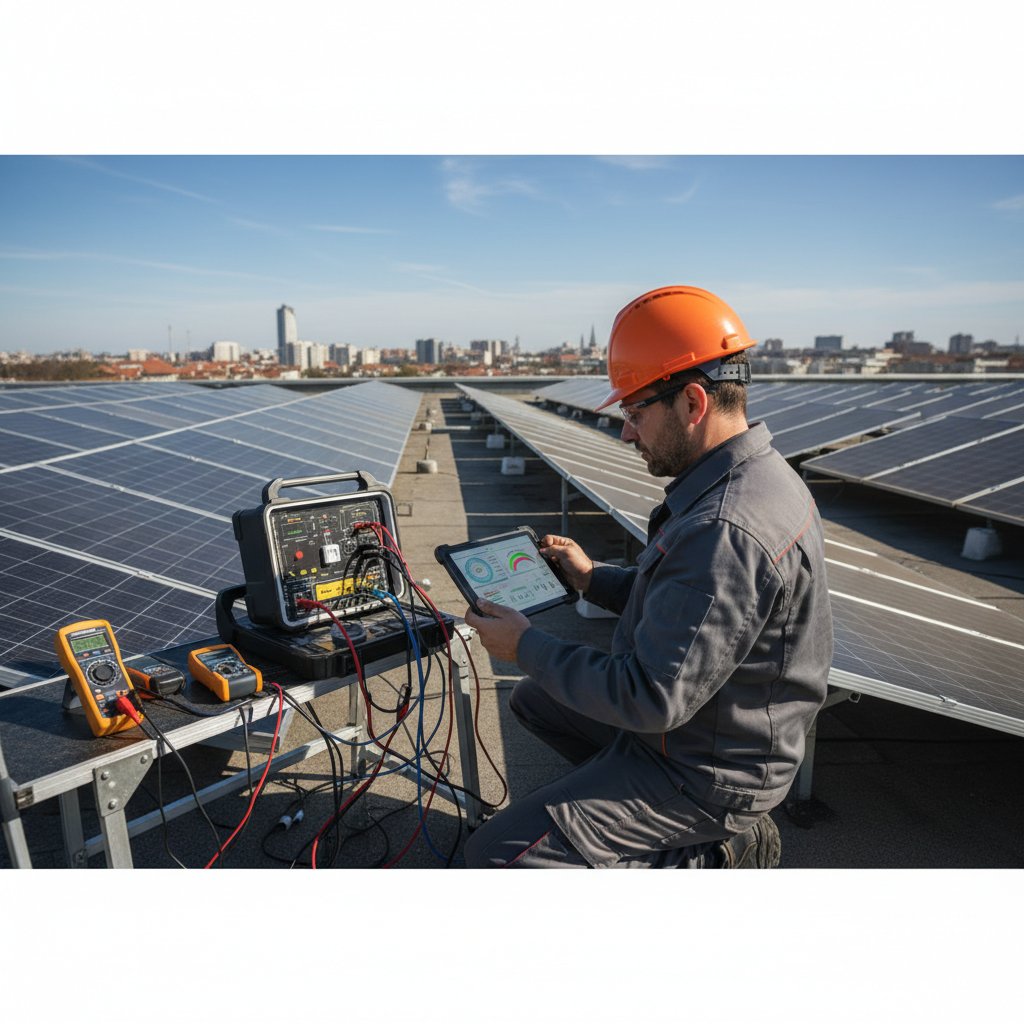
Solar panel installation has hit a sweet spot in 2024. The tech's matured, prices have dropped significantly, and installation methods have gotten smarter. If you've been fence-sitting on going solar, the landscape has shifted enough to warrant a fresh look. Here's what actually matters now.
1. Panel Efficiency Just Crossed the 25% Threshold (And It Matters)
Most residential panels now operate at 22-25% efficiency, up from the 15-18% range just five years ago. That's not marketing fluff—it means you need fewer panels to generate the same power. A typical 400-watt panel today outputs what used to require 500-550 watts of older tech.
For homeowners with limited roof space, this changes everything. You can now generate 8-10 kW from a roof that previously maxaxed out at 6 kW. Brands like LONGi and Trina are shipping bifacial panels that capture reflected light from your roof surface, squeezing out another 5-10% production without extra space. The math works better than ever.
2. Battery Storage Became Actually Affordable
Battery prices crashed by about 40% since 2022. A 10 kWh home battery that cost $12,000-14,000 two years ago now runs $7,000-8,500 installed. That shift makes energy independence realistic, not just aspirational.
The real game-changer? You can start small. Modular systems let you install a 5 kWh battery now and stack another later when budget allows. Companies like Enphase and Tesla offer systems that communicate with your panels and automatically optimize when to store versus when to pull from the grid. During peak rate hours (typically 4-9 PM), your battery kicks in instead of buying electricity at $0.45/kWh. The payback period dropped from 12-15 years to 7-9 years in most markets.
3. Microinverters Replaced String Inverters (Finally)
String inverters used to be the default—one central unit converting DC to AC for your entire array. Problem is, if one panel underperforms (shade, dirt, defect), it drags down the whole string. Microinverters attach to each individual panel, letting them operate independently.
The price gap closed. Microinverter systems now cost only 10-15% more than string setups, and that premium pays back through better production. Real-world data shows 12-18% higher energy harvest over 25 years, especially on roofs with chimneys, trees, or multiple orientations. Plus, if one fails, you lose output from one panel instead of half your system. Enphase reports failure rates under 0.05% annually—these things just work.
4. Installation Timelines Shrunk to 1-2 Weeks
Permitting used to drag projects out for months. Most jurisdictions now offer instant digital permits for standard residential installs. The physical installation itself takes 1-2 days for an average home, with grid connection happening within a week in most areas.
Installers also got smarter about project management. You schedule one site assessment, receive a fixed-price quote within 48 hours, and get a firm installation date. No more "we'll call you when the permit comes through" limbo. Companies like Sunrun and Palmetto use satellite imagery to design systems before ever visiting your house, cutting weeks off the front end.
5. Financing Options Multiplied (But Read the Fine Print)
Zero-down solar loans are everywhere now, with terms from 10-25 years at 3.99-7.99% APR. Some installers offer the first 18 months interest-free, betting you'll use your federal tax credit to pay down principal. That 30% federal credit (extended through 2032) typically covers $6,000-9,000 on an average system.
Power Purchase Agreements (PPAs) evolved too. You pay nothing upfront, and a third party owns the panels on your roof. You buy the electricity they generate at a fixed rate—usually 15-20% below your utility rate. After 20-25 years, you can buy the system for fair market value or have it removed. The catch? You don't get the tax credit, and selling your home gets slightly more complicated. Still, it's a viable path if you can't use the tax credit yourself.
6. Monitoring Apps Became Genuinely Useful
Every major system now includes real-time monitoring via smartphone app. You see production by panel, consumption by circuit, and battery charge level updated every 15 minutes. Sounds basic, but the insights change behavior.
People shift laundry and dishwasher runs to midday when panels are cranking. You spot underperforming panels immediately instead of discovering issues on your annual utility bill. Some apps integrate with smart home systems, automatically charging your EV when solar production peaks or precooling your house before expensive evening rates kick in. The gamification aspect is real—watching your electric meter run backwards never gets old.
The solar installation process in 2024 looks nothing like it did even three years ago. Better equipment, smarter financing, and streamlined installation removed most of the friction. The technology finally delivers on promises that seemed optimistic a decade ago. If the numbers work for your roof and your budget, waiting another year won't improve the deal—this is the moment where solar shifted from early adopter territory to just plain sensible.