Why most Установка солнечных панелей projects fail (and how yours won't)
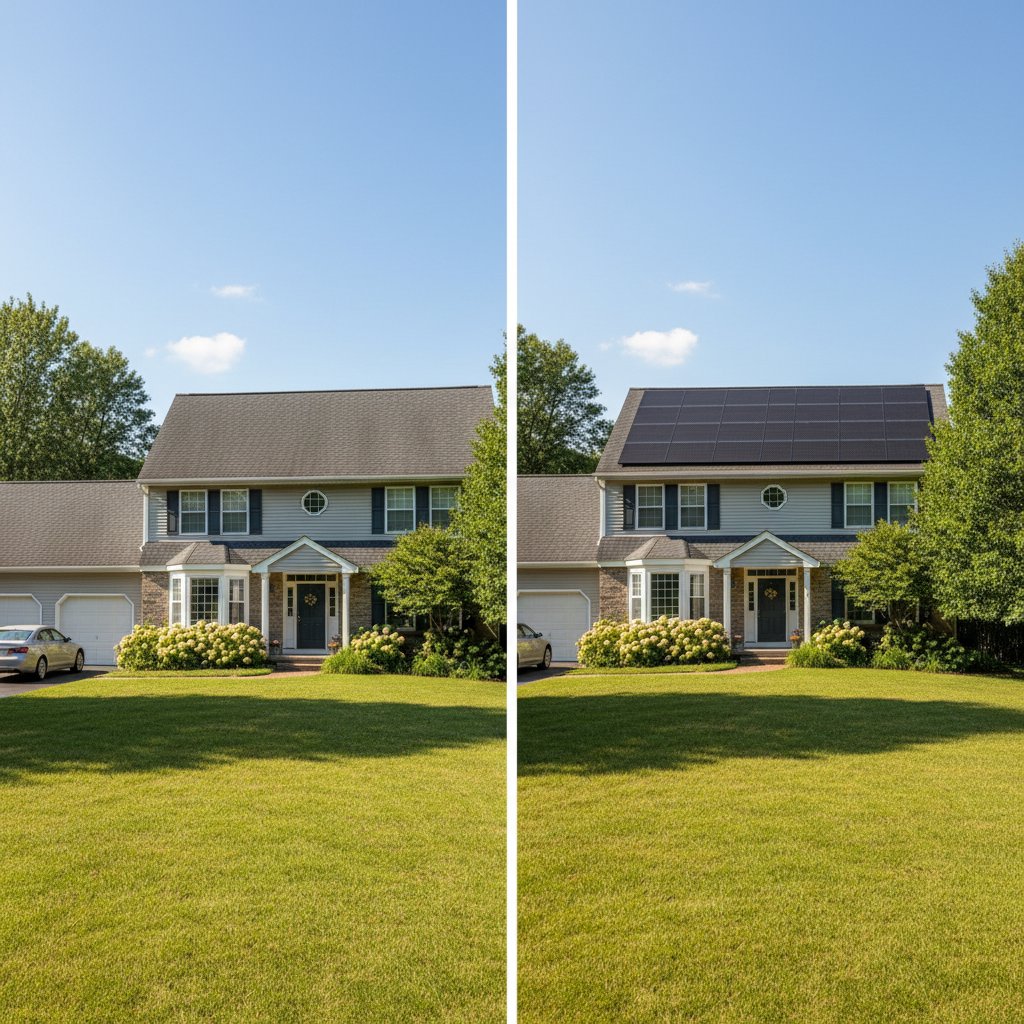
Your Solar Installation Dreams Are About to Hit a Wall (Unless You Read This)
Picture this: You've signed the contract, handed over a hefty deposit, and you're counting down the days until those gleaming panels start slashing your electricity bills. Three months later, you're staring at a half-finished roof, dodging your installer's calls, and wondering if you'll ever see that $18,000 again.
Sound dramatic? According to industry data, roughly 35% of residential solar projects experience significant delays or complications. Another 12% never reach completion at all. That's nearly half of all homeowners facing some level of disappointment with what should be a straightforward upgrade.
I've watched this unfold dozens of times. The pattern is always the same.
The Three Killers Nobody Talks About
1. The Permit Nightmare
Most installers will breeze past this part during the sales pitch. "Oh, we handle all the paperwork!" they'll say with a confident wave. What they won't tell you: permit approval timelines vary wildly by municipality, from 2 weeks to 6 months. In some California counties, the backlog has stretched to 120 days or more.
The real kicker? Many installers don't factor permit delays into their project timeline. They book your installation date before permits are even submitted. When reality hits, your project gets bumped for the next customer in line.
2. The Roof Surprise
Here's where things get expensive. About 40% of solar installations uncover underlying roof issues that weren't caught during the initial assessment. We're talking rotted decking, outdated electrical panels that can't handle the load, or structural supports that need reinforcement.
One homeowner in Phoenix thought he was getting a $22,000 system. After the crew discovered damaged roof trusses, his final bill hit $31,500. Nobody had bothered to do a proper structural evaluation beforehand.
3. The Subcontractor Shuffle
Most solar companies don't employ their own installation crews. They use subcontractors—often several different teams for electrical, roofing, and panel mounting. When one subcontractor ghosts (yes, this happens), your entire project grinds to a halt while the company scrambles to find a replacement.
Warning Signs Your Project Is Headed for Disaster
Watch for these red flags during your planning phase:
- The salesperson can't explain exactly who will perform each phase of work
- Your quote doesn't include a line item for permit fees (they should be $400-$1,200 depending on your location)
- Nobody physically inspects your attic or electrical panel before giving you a "final" price
- The timeline from contract signing to power-on is less than 8 weeks (unrealistic in most markets)
- You can't find recent customer reviews posted within the last 6 months
The Five-Step Protection Plan
Step 1: Demand a Pre-Installation Structural Assessment
Before signing anything, insist on a comprehensive roof inspection. This costs $300-$500 if you hire an independent roofer, but it'll save you from $5,000-$15,000 in surprise costs later. Get it in writing that your roof can support the additional 3-4 pounds per square foot that panels add.
Step 2: Map Out the Permit Process Yourself
Call your local building department directly. Ask about current processing times for solar permits. Add 30% to whatever they tell you—government estimates are notoriously optimistic. Build this realistic timeline into your contract with penalty clauses if delays exceed 60 days beyond permit approval.
Step 3: Meet Your Actual Installation Crew
Request a meeting with the foreman who'll oversee your project. If the company can't arrange this, they're probably using subcontractors they barely know. Ask the foreman how many similar systems they've installed. Anything less than 20 should make you nervous.
Step 4: Structure Payment Around Milestones
Never pay more than 20% upfront. Structure the rest around concrete completions: 25% after permit approval, 30% after installation, 25% after inspection passes. Keep that final 20% until your system has been connected and producing power for at least one week.
Step 5: Get Everything Itemized
Your contract should break down costs for equipment, labor, permits, electrical upgrades, and potential roof repairs. Vague line items like "installation services - $12,000" are where companies hide their wiggle room. Specificity protects you.
The Bottom Line
Solar installations fail because homeowners treat them like buying a refrigerator when they're actually more like a kitchen renovation. Multiple trades, local regulations, and structural considerations all have to align perfectly.
The companies that succeed aren't the ones with the slickest sales presentations. They're the ones who spend an extra week on due diligence, pad their timelines with realistic buffers, and communicate every hiccup before it becomes a catastrophe.
Your job isn't to become a solar expert overnight. It's to ask uncomfortable questions until you get specific, verifiable answers. The installers who welcome that scrutiny are the ones you want on your roof.